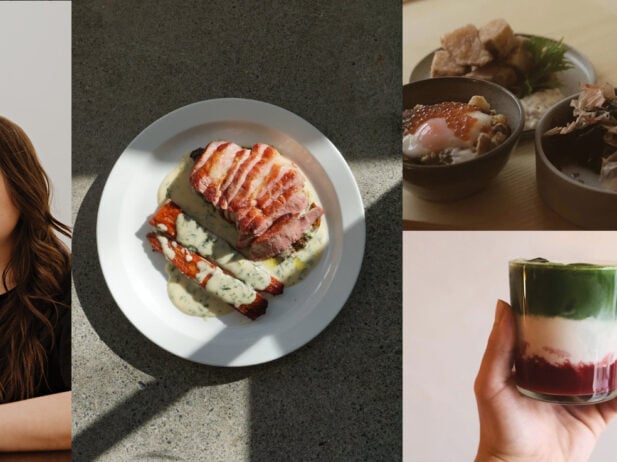

It’s not well known that European Green crab, Manila clams, Pacific oyster and blackberries are actually invasive species, inhibiting the growth or destroying native plants, marine life and animals in British Columbia.
What is well known: they’re all delicious.
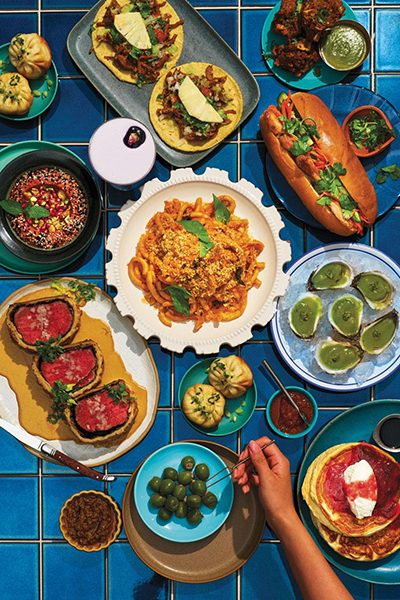
Curious diners interested in learning more can taste these ingredients and more cooked by some of Vancouver’s top chefs at an Eat the Invaders pop-up on May 22 at LaSalle College. The feast will feature both invasive species and foods that are abundant that B.C. residents should eat more of, says chef Robin Kort, who organized the pop-up.
As a prolific forager, Kort is well aware of how invasive species can cause havoc in the environment. “The Pacific oyster is not native to B.C. It came from Japan, and it’s over-abundant here, compared to the native Olympia oyster, which is endangered. That’s our only native oyster, and we ate the crap out of it in the 1930s and basically almost wiped it out,” she explains.
At the pop-up, Fanny Bay Oyster Bar staff will shuck Pacific oysters and may have some sustainable Olympias for people to compare.
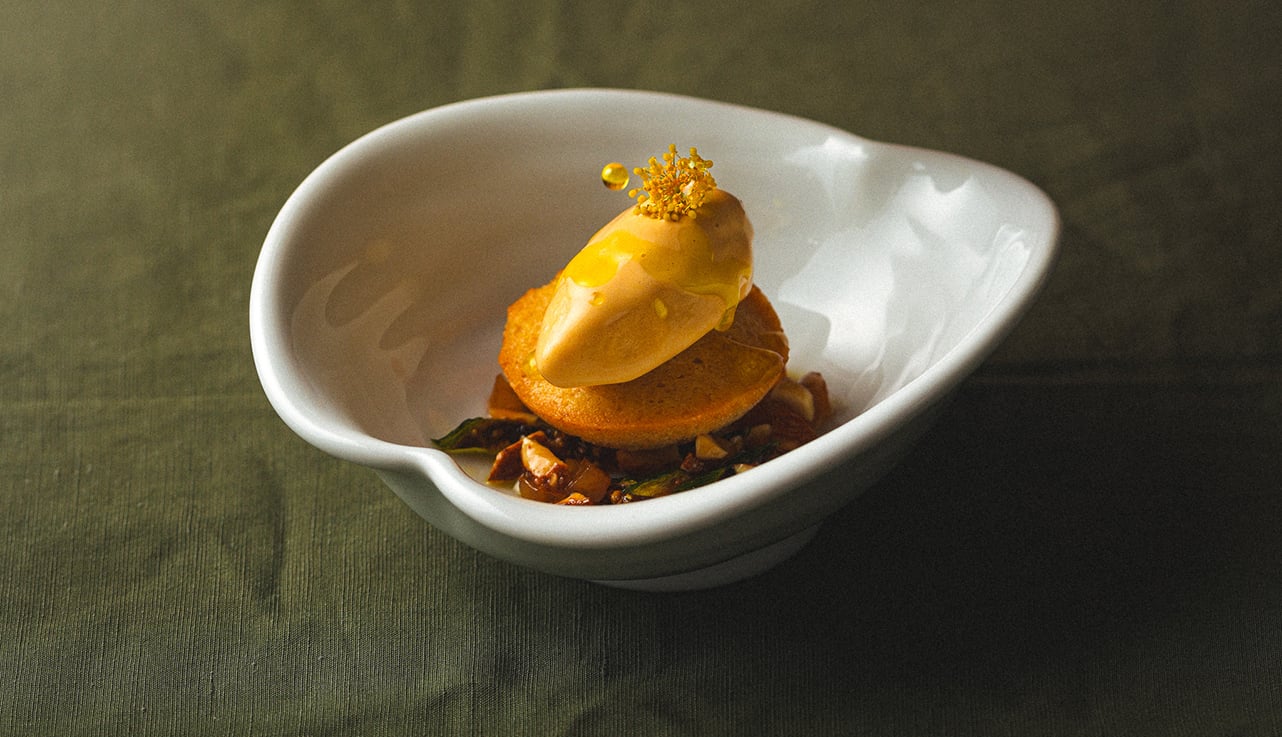
Another invasive species is sea urchin, or uni, which has a creamy, umami taste that chef Andrea Carlson of Burdock and Co will incorporate into a sweet and savoury uni gelato dessert, while Kort will showcase paté and pasta made with sea urchin.
Sea urchins proliferate in B.C. waters, severely depleted native bull kelp forests, which act as protective shelters for young fishes like salmon and herring. “We completely wiped out the sea otter, which is the main predator of sea urchin,” says Kort. “One male sea otter can eat 70 a day,”
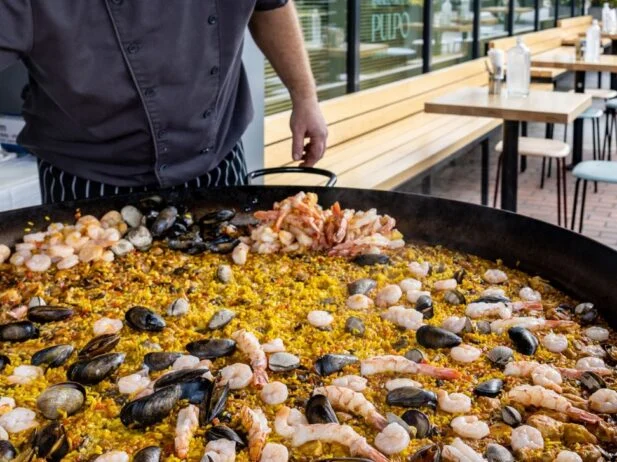
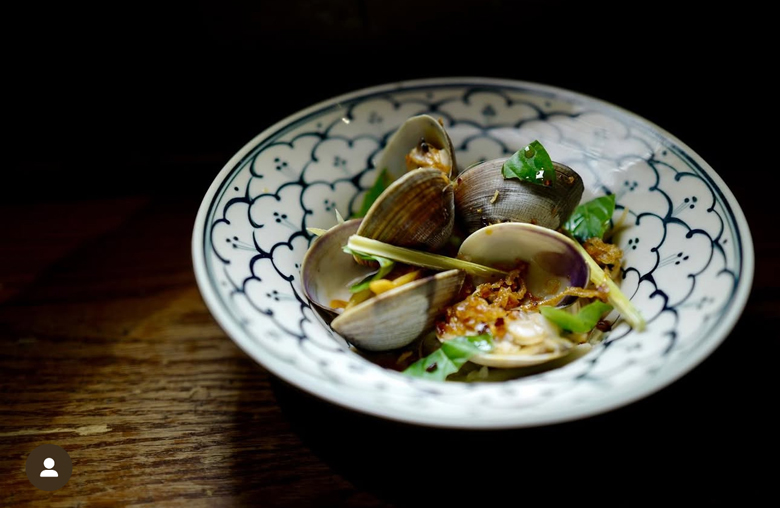
Other chefs participating include Ly Thi Nguyen of Anh and Chi, who will prepare lemongrass and coconut milk Manila clams, while The Acorn’s Matt Gostelow will make spaghetti with Japanese wireweed, a highly invasive algae.
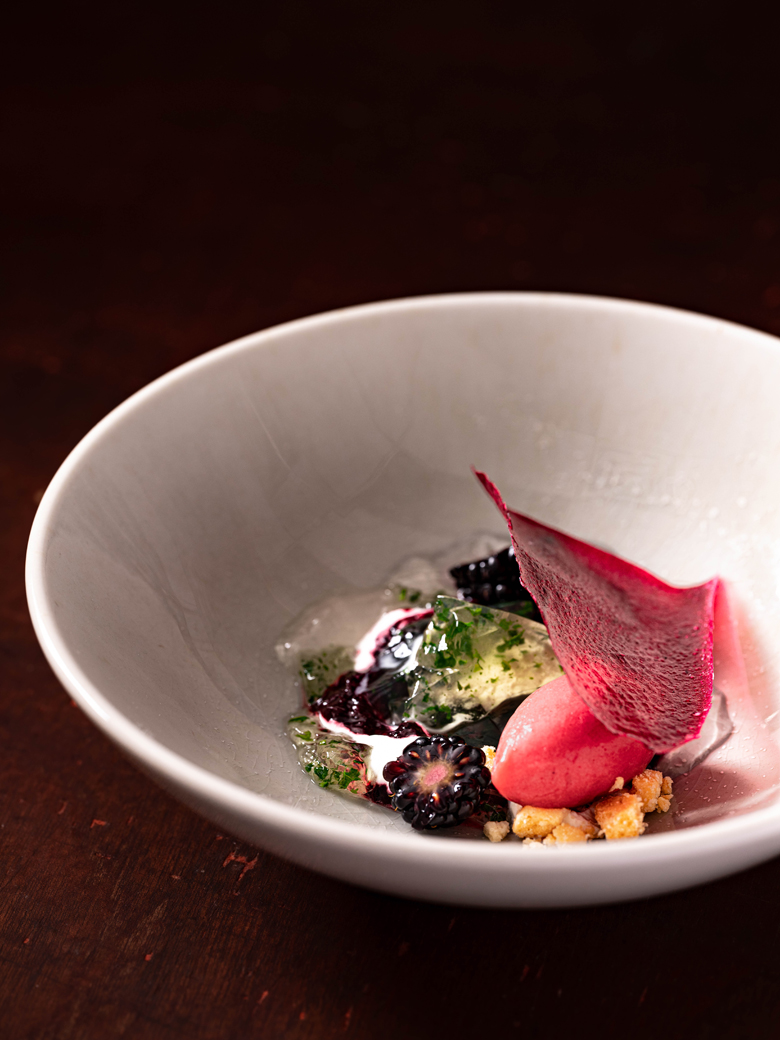
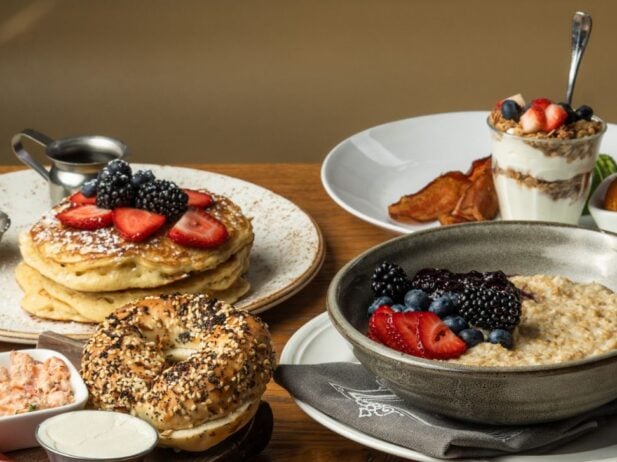
Boulevard pastry chef Kenta Takahashi’s sweet creation will be blackberry mojito crumble, as Himalayan blackberries are an invasive plant that spread quickly, and deters the growth of native plants. Earnest Ice Cream will also serve an ice cream of steeped blackberry leaves with a blackberry compote swirl.
On the other hand, the event is an opportunity to spotlight ingredients like black-tailed deer, pink salmon, stinging nettles and sea lettuce, which are all sustainable native species. EatWild chef Dylan Eyers will present venison with creamy gremolata on endive leaves, while Chef Thosan of The Secret Chef will make bamboo coconut curry and spicy stinging nettle chutney.
The group behind “Eat the Invaders” is Biodiversity and Design, a non-profit that aims to bring public awareness of invasive species, and how consumers can help with ecological restoration. “We can survive climate change, but we cannot survive biodiversity loss,” explains Biodiversity and Design’s Garret Chan.“We have a lot of overabundant or invasive species… so we need to find some balance in the ecosystem.”
The luxury sector, from hotels to Michelin-starred restaurants are tastemakers, encouraging diners to eat expensive food like caviar and wagyu beef, he says. “But what if the tastemaker becomes the change maker? That’s the goal,” says Chan. “The top chefs, the top brands [should] say, let’s make bullfrog legs like caviar, let’s eat Pink salmon roe.”
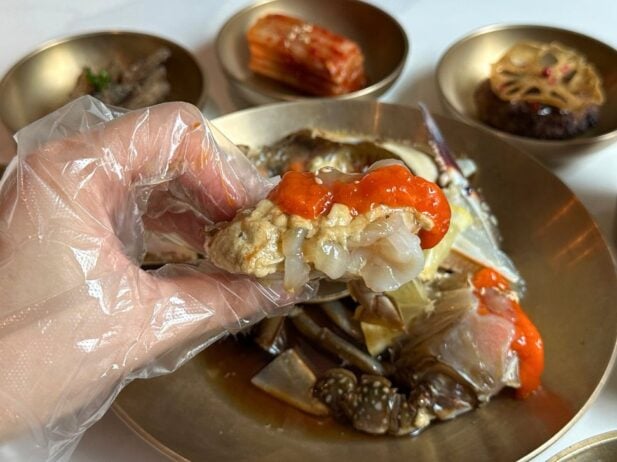
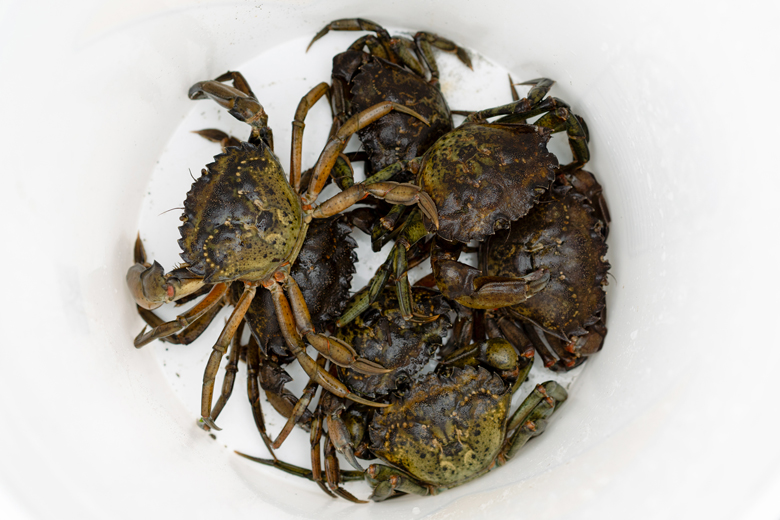
He sees a lot of possibilities in the European green crab, which has decimated the fishing industry on the east coast of Canada and the United States, and is now threatening the west coast. One female European green crab can lay 100,000 eggs. “In Haida Gwaii, European green crab can be harvested at $3 a pound, versus dungeness crab for $30,” Chan says. “And European green crab can be harvested all year round. Why is it not served as a bisque or broth in every single Chinese restaurant and thrown in hot pot? It’s the most flavourful crab in the world.”
Chan hopes this pop-up inspires chefs to see these invasive species as interesting ingredients they can put on menus in their restaurants for customers to eat. His design team have also helped Kort design the packaging for her uni pate and pasta, as well as the brand strategy for these items.
“The goal is to create this cycle where you’re producing products, also serving in restaurants and hotels, then getting into the pantries of consumers. We hope other companies will then look at it and say, ‘Okay, let’s build this at scale.’ Because if a major company like StarKist decides to harvest European green crab, they could balance things out.”
More information and tickets for the “Eat the Invaders” pop-up May 22 here.