
Koreans call raw soy-marinated crab (ganjang gejang) the ultimate rice thief. One bite of silky crab meat steeped in a subtly sweet, briny soy sauce marinade and you’ll understand why—it’s the kind of dish that’ll have you clean out three bowls of rice without a second thought. But despite its deceptively straightforward name, it’s also a delicate dish that’s sensitive to time, temperature and ingredients. Not exactly the easiest dish to pull off, even in a culinary-rich coastal city like Vancouver.
Yet Jinmi’s head chef and co-founder Jay Lee has been doing exactly that. Starting as a small online business, the Korean restaurant whose name means “true flavour” or “genuine taste” first opened up their brick-and-mortar storefront in 2024 before before moving to its current Cambie Street location.
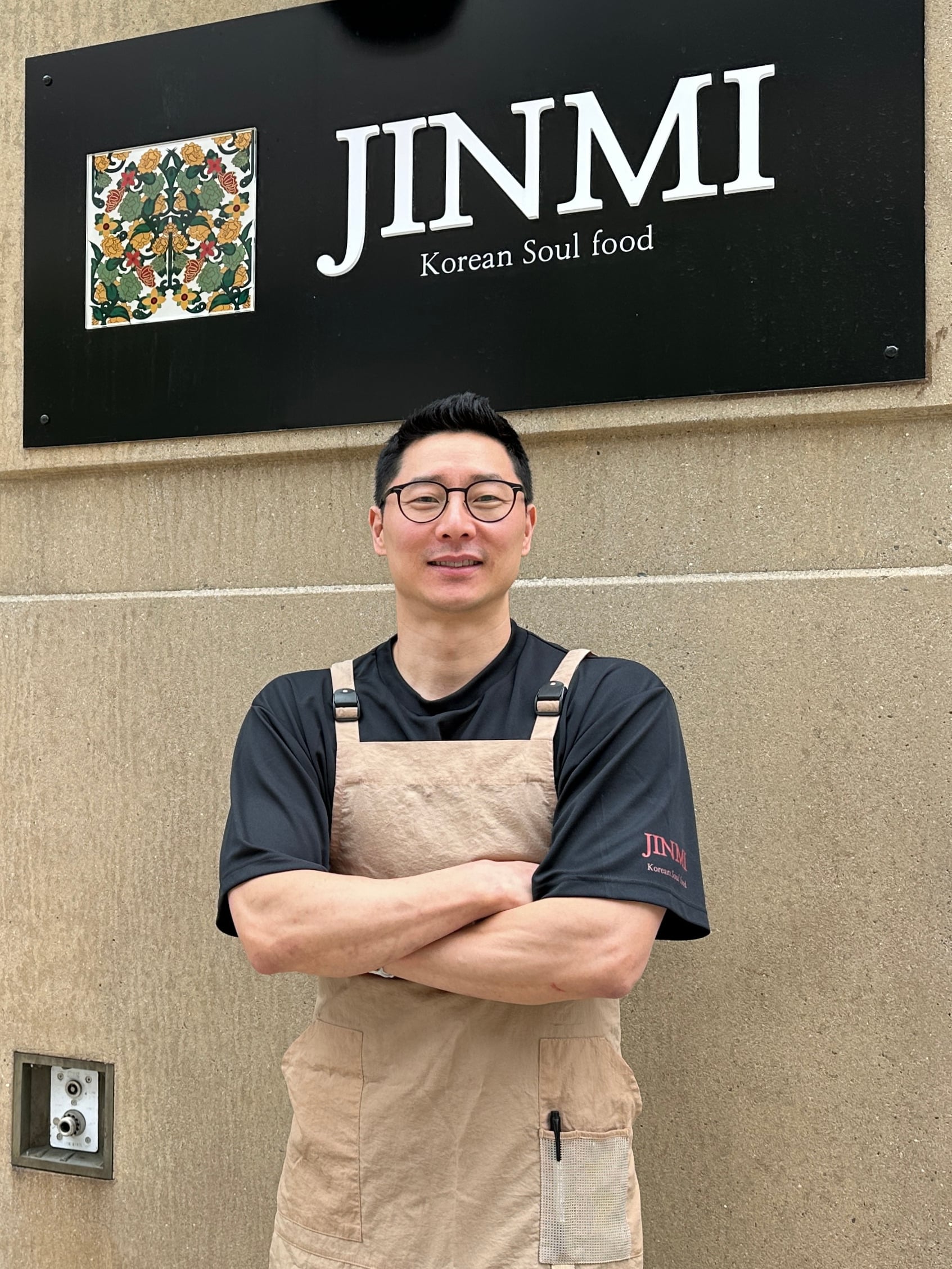
I first discovered Jinmi last summer when I was missing my grandma and her homemade ganjang gejang. There was an all too brief period in my life where I had the luxury of eating this expensive delicacy on the daily, thanks to my grandparents’ combined effort to regularly source fresh crab and make bulky batches for my refined five-year-old palate.
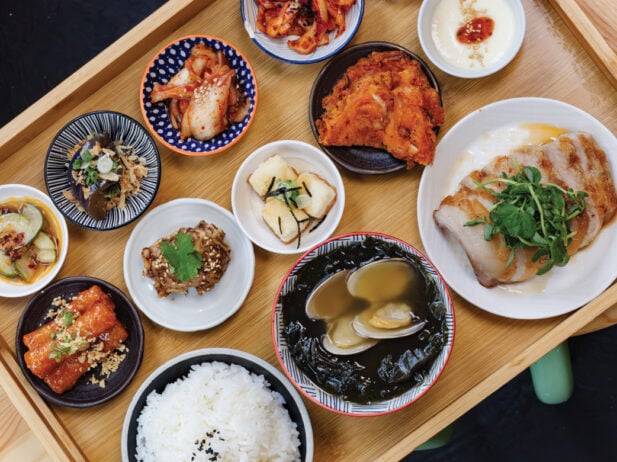
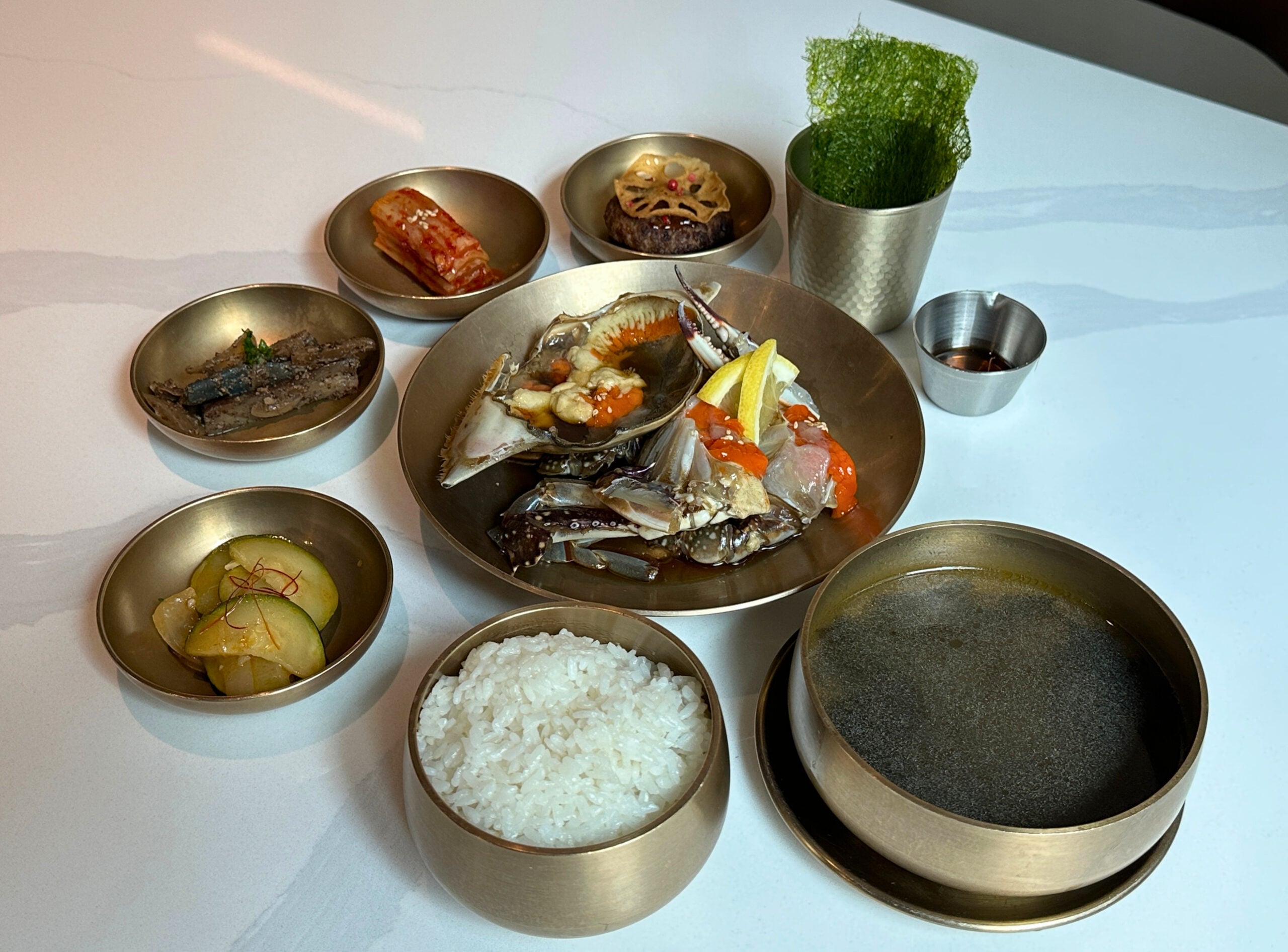
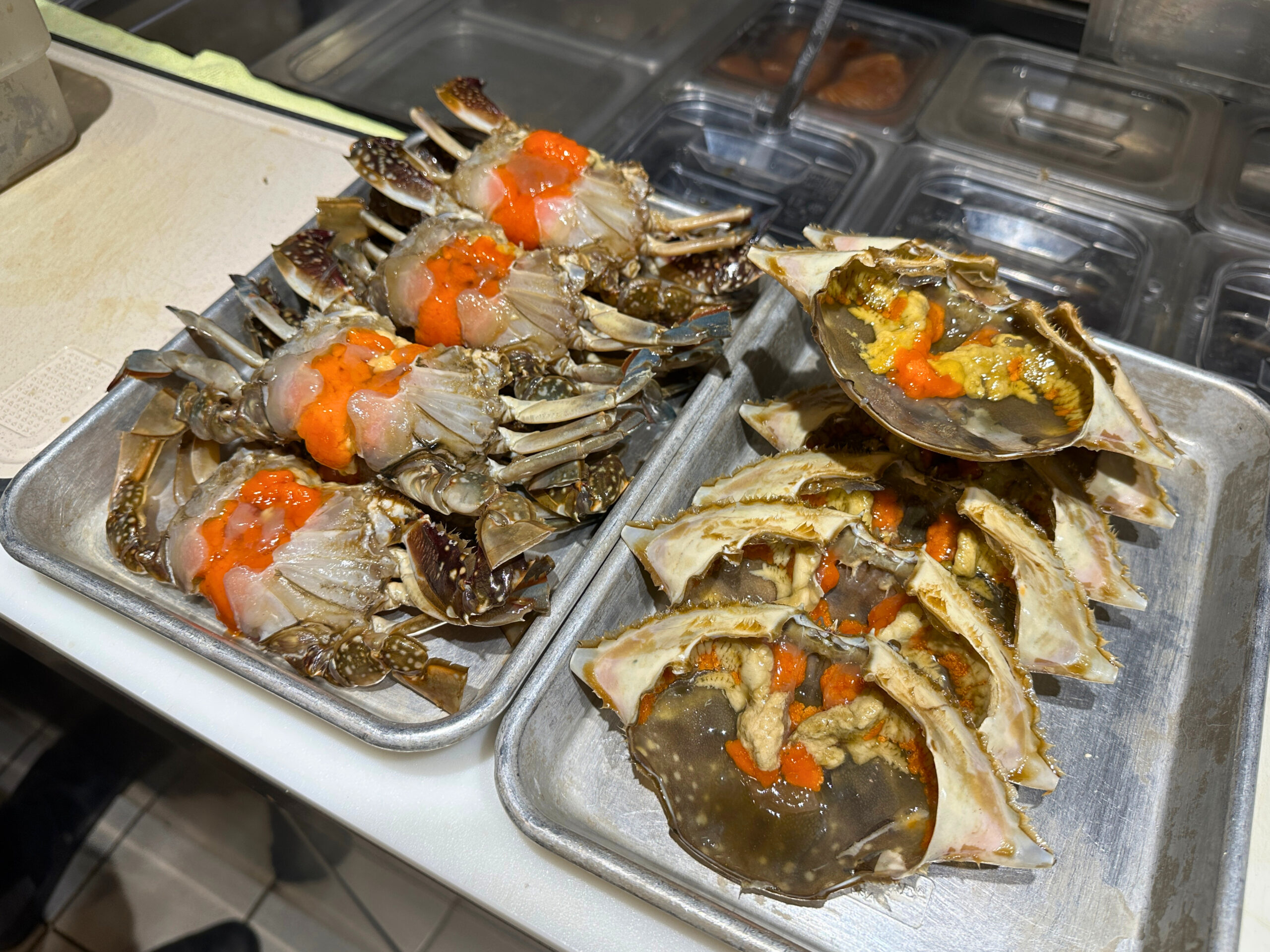
Spoiled as I was by my grandparents’ love, I was still taken aback by Jinmi’s premium soy crab bansang ($62) served in all its umami glory, the vibrant orange roe practically spilling from the shell. So much so that I came at least five more times in the last year to make sure it wasn’t a fluke (it wasn’t).
This month (just in time for Lee’s annual crab pilgrimage to Korea), a wider audience will be introduced to this not-so-secret gem. Our Ocean Table is a three-part docuseries hosted by filmmaker Sonya Lee and journalist Hannah Sung exploring how Korea’s deep-rooted seafood traditions can inspire ocean conservation. Vancouver’s Jinmi is among the lineup of Korean restaurants in Canada featured in the project.
Prior to his departure for Korea, I caught up with Lee to finally uncover the secret to the mouthwatering ganjang gejang that had me lining up time and again.
Freshness is key
When it comes to making ganjang gejang, Lee says using fresh ingredients is the first and most important step—one that personally took him nearly three years of trial and error to perfect.
“A fresh crab has this natural, amazing flavour even without any cooking,” he explains. “To source that kind of freshness, we meet with suppliers in Seosan, Korea every spring to purchase top-grade female blue crabs at the peak of their season when their roe is most abundant and sweet.”
Lest the sweetness turns bitter, Lee’s eyes are always on the clock. Back at the restaurant, Lee and his team wash the crabs quickly in cold water to prevent spoilage. From there, they prepare a dashima (kelp) soy sauce marinade with around 15 different ingredients, boiling it before letting it cool and pouring it over the cleaned crabs.
The crabs are then marinated at a very low temperature for exactly 28 hours, a figure Lee arrived at after years of constant testing and refinement. Once that window closes, the ganjang gejang is trimmed and served within two days, with the remaining sauce promptly discarded.
Lee’s attention to detail extends to the marinade’s saltiness. Korean cuisine is defined by its long-standing methods of fermentation and preservation, encapsulated in the tradition of jang: fermented pastes that form the basis of all Korean cooking. Think ganjang (soy sauce), doenjang (soybean paste) and gochujang (chili paste).
As its name suggests, ganjang gejang is known for its pronounced salty flavour, driven by its soy sauce base. At Jinmi, Lee honours that tradition with a more restrained approach; he deliberately dials back the sodium so the crab itself can shine.
“If the salinity is too high, then people are no longer really tasting the crab, but mostly the soy sauce,” he says. “That’s how we design the full meal set as well. The side dishes and soup should support rather than compete with the ganjang gejang.”
Legs and all
Jinmi serves two version of ganjang gejang: one with the shell intact, and one without for the uninitiated. For those like me who don’t mind getting their hands a little messy, Lee shares his preferred way to enjoy the dish: start with a generous bite of the roe, squeeze the remaining meat into the shell, mix everything thoroughly with warm rice and a drizzle of sesame, then wrap it in gamtae or roasted seaweed.
“To me, that is the perfect one-bite experience.”
“And then the legs?” I ask expectantly.
“And then the legs,” Lee says with an affirmative nod. “If there are guests who enjoy chewing the legs too, I honestly feel like I want to serve them one more crab.”
Noted.
Whether it’s a 28-hour soy sauce marinade or a birthday meal inspired by a mother’s love, Jinmi’s menu is guided by the same philosophy of precision and care.
And for co-founder Min Cho, at the core of Jinmi’s approach to food is the Korean concept of jeong—a kind of unspoken warmth and connection shared between people. “Rather than thinking only in terms of business or sales, I want Jinmi to be a place where we can connect with people, have real conversations and create a sense of togetherness,” she says.
Ganjang gejang is only the beginning.
Our Ocean Table premieres on CBC Gem and Telus Optik on May 1.
Presented by the VAFF Industry Filmmaker Talks Series, the free Vancouver screening takes place May 7 at Cineplex Odeon International Village Cinemas from 5:30 to 7:30 p.m. Register here.
Jinmi
782 Cambie St.
@jinmibychefj