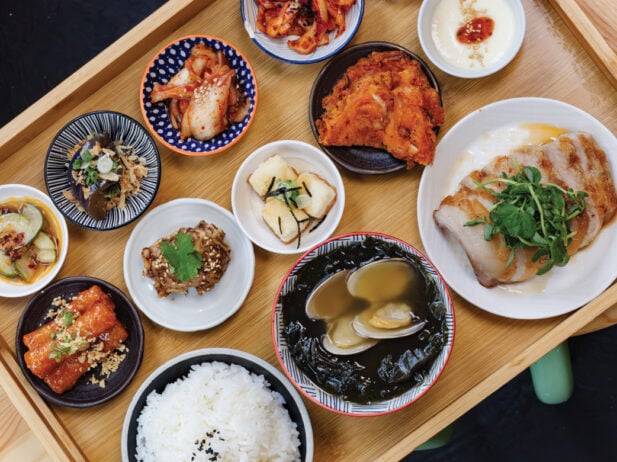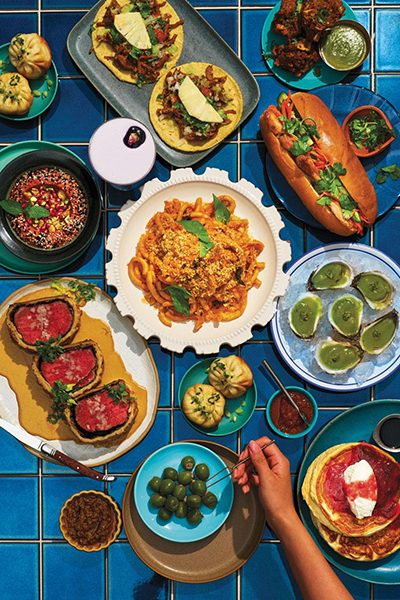

One thing I appreciate about living in Vancouver is how easy it is to access Korean cuisine. Heck, even we have a whole category dedicated to the best Korean food in the city. While the cuisine has been long present in Canada, its recent surge in popularity has expanded what shows up on our tables, bringing regional dishes and lesser-known specialties far beyond the usual bulgogi and bibimbap.
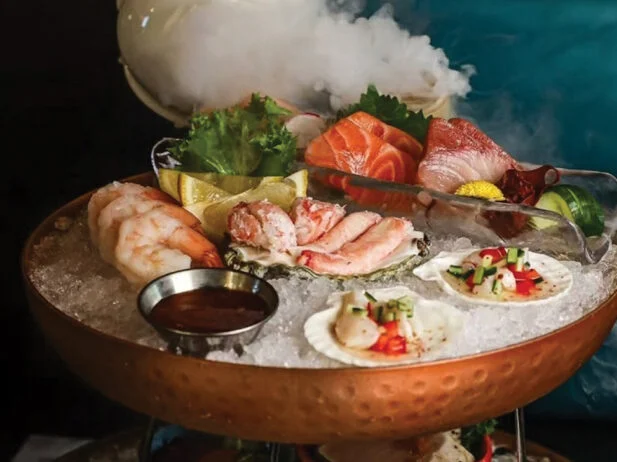
Avid enjoyers of Korean food will notice that the ocean anchors much of the cuisine. It’s in haemul pajeon (seafood scallion pancake), in the deep, spicy broth of jjampong and in the richness of ganjang gejang (soy-marinated raw crab). No matter the dish, the ocean is never far from the table.
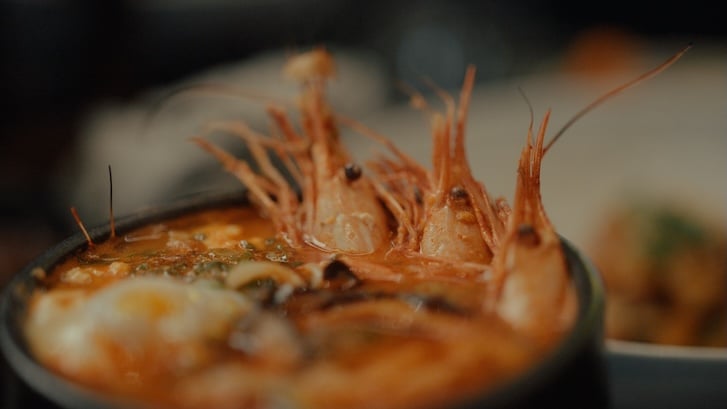
For marine biologist and filmmaker Sonya Lee, that realization came one night when she was making soondubu jigae (soft tofu stew) in her kitchen.
“I was making an anchovy broth and I started throwing in mussels and clams and all sorts of other seafood from my freezer,” she says. “And just looking at this bowl, I realized that there’s so much of the ocean in Korean food culture, and seafood is the foundation of Korean culture—not just in our food, but in our history, our folktales and our songs.”
This connection between seafood and Korean culture is what drove Sonya to create Our Ocean Table, a three-part docuseries Lee co-directed with Jon Chiang. Premiering in Vancouver as part of Asian Heritage Month, the series dives into the relationship between Korean cuisine and marine ecosystems, weaving together food, identity and environmental stewardship.
Connecting over a bowl of soup
Hosted by Lee alongside culture journalist Hannah Sung, Our Ocean Table takes them through Vancouver, Nanaimo and Calgary, where they meet chefs and harvesters who interpret Korean culinary traditions through the lens of the Pacific Northwest.
One particularly emotional moment unfolded over a bowl of miyeokguk (seaweed soup) prepared by Jinhee Lee of Calgary’s JinBar. What began as a meal quickly turned into something more vulnerable.
“I think we all cried during our conversation with her,” Sung recalls. “Miyeokguk is a soup you have to celebrate your birthday, but for mothers, it’s a postpartum soup. When chef Jinhee made that for us, we went off on a long conversation about the expectations of our mothers, especially being daughters who are growing up in a different culture than the one that they grew up in.”
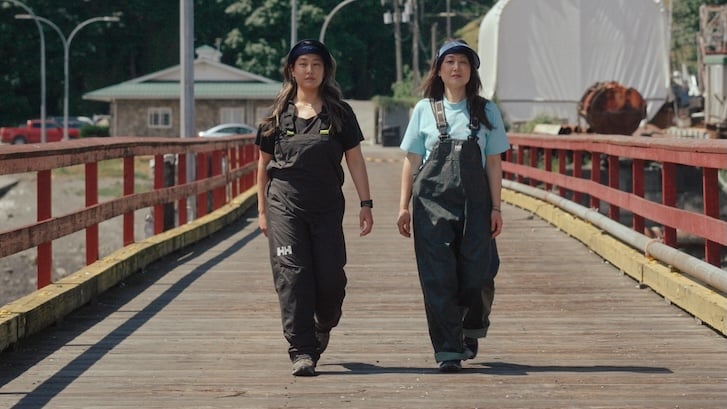
Sung also notes that Korean cuisine’s rise in popularity has led to outsiders becoming more curious and open to various Korean delicacies.
“When I was growing up in the 80s and 90s, it wasn’t like that at all,” she says. “You had to explain it all because there were often negative preconceptions about the way it smells or just how ‘foreign’ it seems. I think it’s a very common story that immigrant kids compartmentalize their own culture’s food, but it’s really refreshing to see people have an openness and curiosity about our food now.”
Intersection between culture and conservation
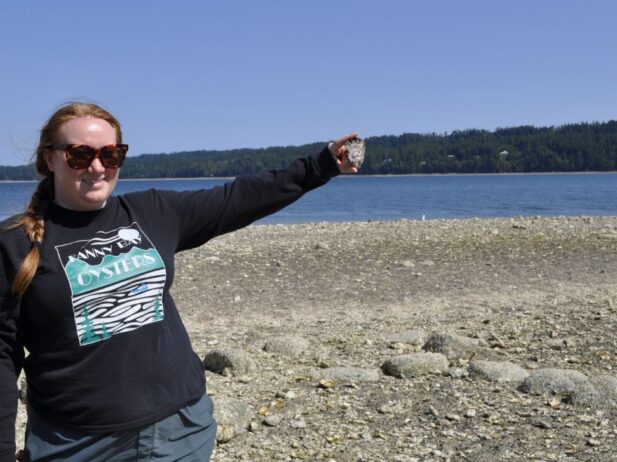
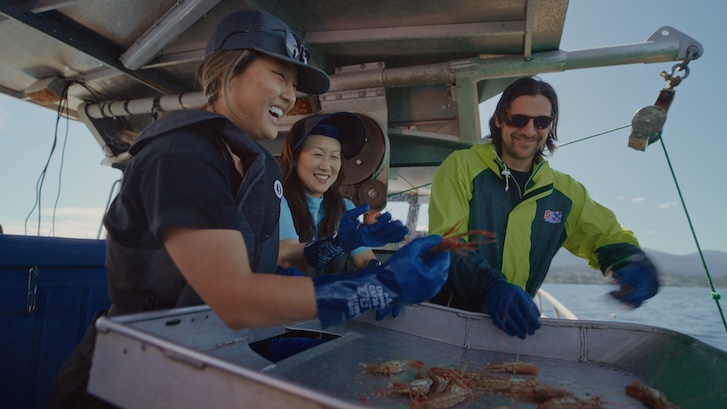
With Korean cuisine becoming more widespread, Lee uses Our Ocean Table as an opportunity to look more closely at the ingredients that define it. To do so, the series spotlights harvesters like Fraser McDonald of Spot Prawn Fisher and Alex Munro of Fanny Bay Oysters, whose work reflects a growing awareness of sustainability and the fragility of marine ecosystems that many dishes depend on.
Rather than framing this as a distant issue, Our Ocean Table follows the full journey from ocean to plate: what gets harvested, how it’s sourced and what responsibility comes with serving seafood in a changing climate.
“This doesn’t just apply to Korean food, but to every food,” Lee says. “Let’s take a moment to reflect on where this ingredient comes from and how it is doing. Can we keep eating it, and how can we make sure we can keep eating it?”
Let curiosity lead the way
The spirit of curiosity sits at the heart of Our Ocean Table. Lee and Sung invite viewers to pay closer attention to the stories behind each dish, to the people who bring it to life and to the ecosystems that make it possible in the first place.
“Food is something that gives us so much joy while climate and environmental discussions often bring a sense of dread,” Sung says. “So we want to change that by having people look at the food in their bowl and be curious about where the food comes from and how it gets there—I think that’s a wonderful thing to take away from the series and oh, also leave hungry!”
While Our Ocean Table is already available to watch on TELUS Stream+ and CBC Gem, Vancouverites can catch a free screening at Cineplex Odeon International Village Cinemas on May 7, 2026. Presented by the Vancouver Asian Film Festival, the event will feature the first episode followed by a live Q and A with Lee and co-director Jon Chiang.
The event is expected to end at 7.30 p.m., so enjoy a seafood-forward dinner at a nearby Korean restaurant. If you’re looking for recommendations, Jinmi and 2026 Restauarant Awards’ Best Korean winner Zoomak are just a 10-minute walk away.
Find out more about Our Ocean Table and grab your tickets here.