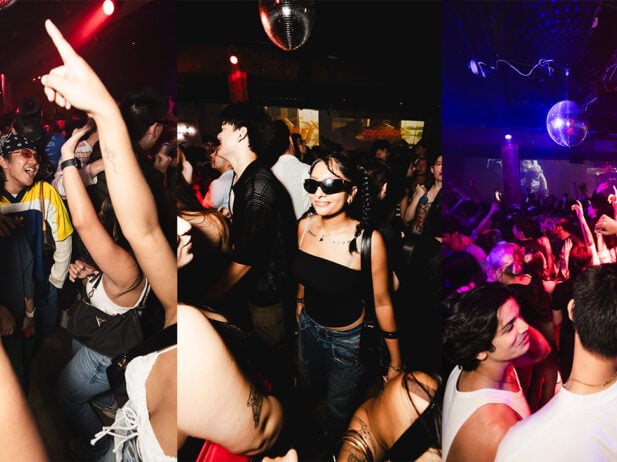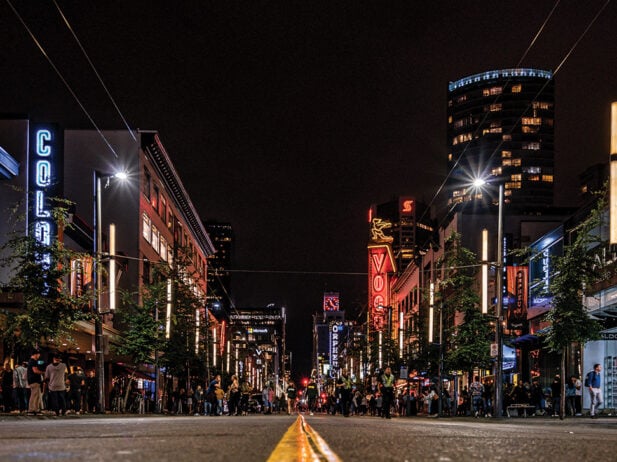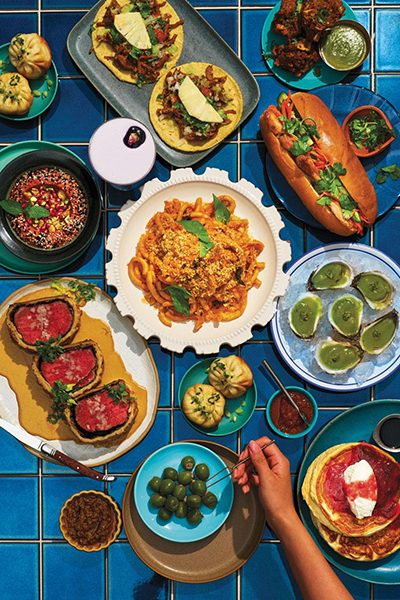

On any given evening in Vancouver, something quietly radical is happening. Phones are being slipped into bags. Hands are dusted with clay, paint, flour or charcoal. Conversations stretch longer than expected. Time, once compressed into notifications and feeds, expands again.
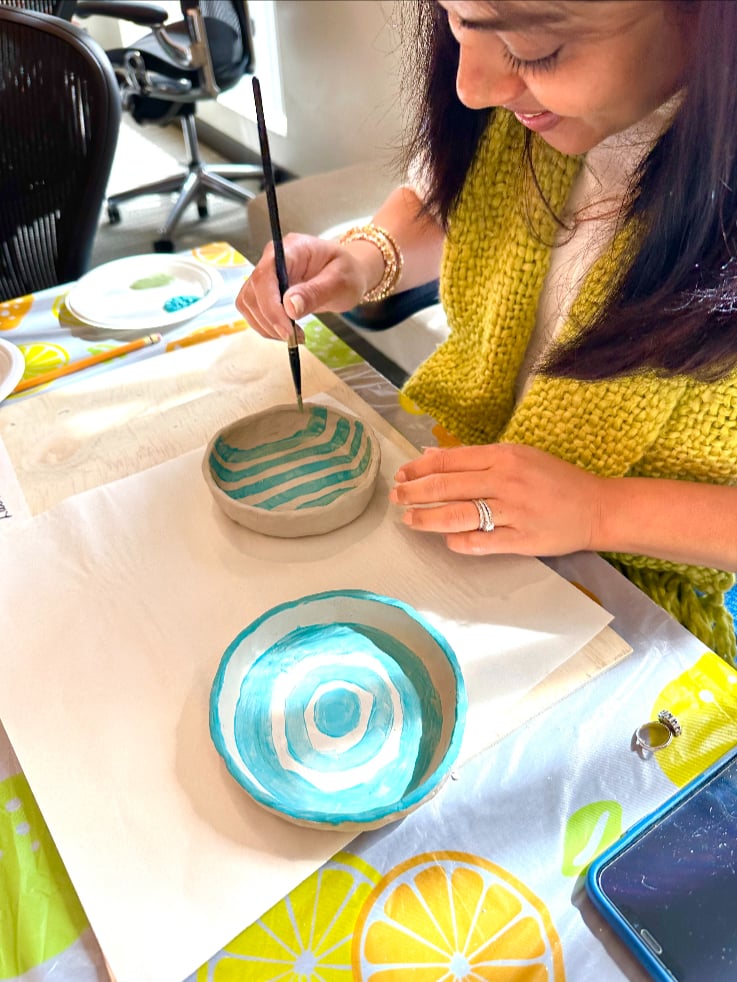
Across the city, a growing number of people—most notably those who grew up immersed in smartphones and social media—are intentionally choosing analogue experiences over digital ones. Craft nights replace scrolling. Breathwork circles stand in for group chats. Film photography, ceramics, drawing, dance and communal meals are becoming the new social currency.
In 2026, Vancouver’s return to analogue isn’t driven by nostalgia. It’s driven by necessity.
For many young adults, the shift away from constant connectivity feels less like a lifestyle choice and more like a survival instinct.
“I remember getting a flip phone in middle school,” says Vancouver-based hair stylist Jillian Petersen. “By the end of middle school everyone had an iPhone, then Facebook and Instagram. It changed the way we interacted with each other so much—in some ways that were kind of gross.”
Petersen, of Gen Z, describes early exposure to constant comparison, overstimulation and content that felt impossible to opt out of. “It was unavoidable,” she says. “Over the last couple of years I realized how much time we waste on tech—and how many amazing things we could be doing with that time instead.”
Rather than aiming for moderation, Petersen opted for firm boundaries. She now uses an app that physically blocks social media access, limiting her use to short, intentional windows. “My phone now is for calls, messaging, maps and weather only,” she says.
What replaced scrolling was unexpected. “I actually became more social in real life,” Petersen says. “I have more energy. I make proper breakfasts. I paint again. I swing dance. I want to host craft nights. I just have so much more time for actually living.”
That sense of exhaustion isn’t just anecdotal—it’s psychological.
According to Amori Mikami, a professor in the Department of Psychology at the University of British Columbia who researches social media stress, the issue isn’t simply screen time—it’s pressure.
“The most psychologically damaging aspect of social media right now is the pressure to present an attractive image,” Mikami explains. “People selectively post the moments where they look the best or are doing ‘cool’ things, retake selfies endlessly, apply filters and then compare themselves to everyone else’s curated self-presentation.”
For younger people who grew up entirely online, that pressure hits differently.
“People who knew a world without social media may be more likely to realize that it isn’t the whole world,” Mikami says. “But for those who don’t remember life before it, social media can feel like the primary measure of social success.”
Her research also shows that not everyone experiences digital stress equally. “People with anxiety or depression, people who feel badly about themselves or don’t have many offline friends—they’re more vulnerable to self-presentation pressures online,” she says.
In that context, the move toward analogue experiences isn’t a rejection of technology—it’s a recalibration.
“Offline experiences, on average, tend to have less self-presentation pressure,” Mikami explains. “You don’t have to perform, post, or prove anything. You just participate.”
Indeed, this pull toward tactile, embodied experiences isn’t accidental—it’s physiological.
“We’re overstimulated,” says Monica Krake, founder of Head + Heart and a certified breathwork practitioner who works with people navigating digital burnout. “Our human nervous systems have not adapted to the amount of information coming at us daily from emails, texts, apps. What that does is put us into managing mode, which is the opposite of being present, connected and regulated.”
Krake explains that for people who grew up with constant digital input, slowing down can initially feel uncomfortable—even threatening. “We’ve become conditioned to short-term dopamine hits,” she says. “Breaking that habit is hard. But on the other side is clarity, creativity—and peace.”
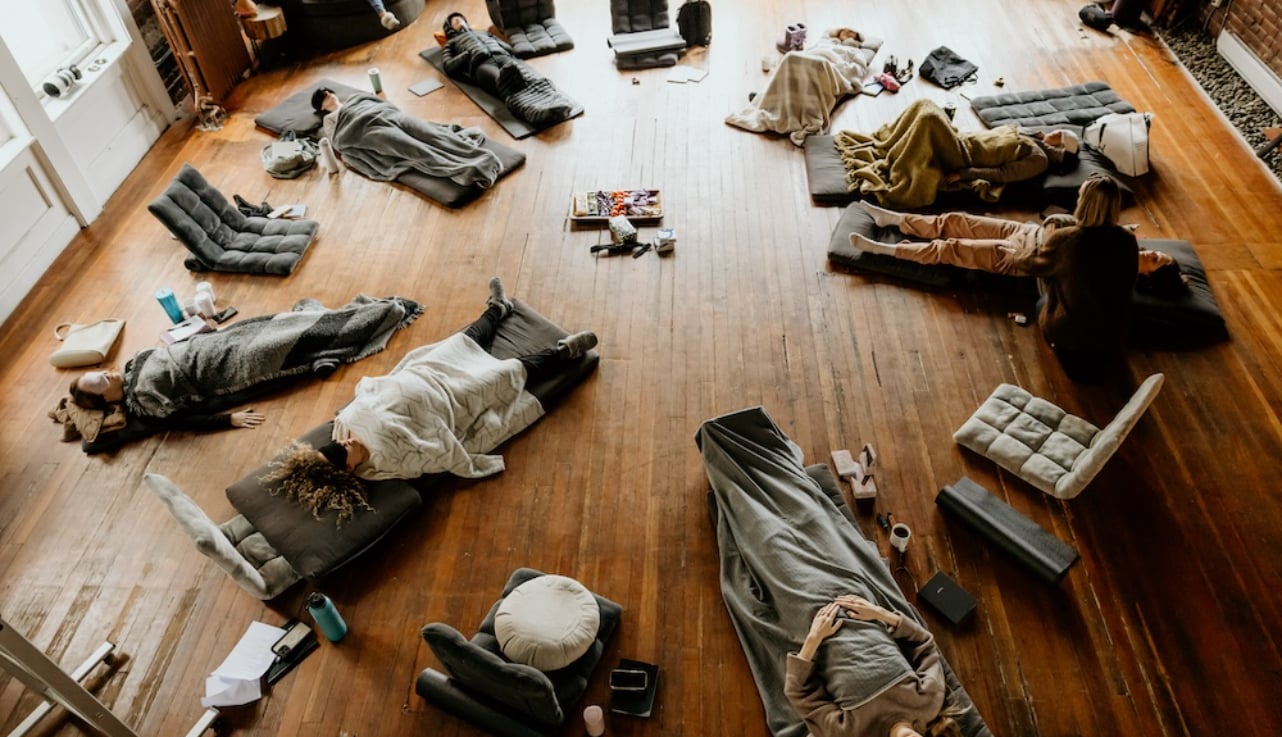
Practices like breathwork, dance and ceremony help people reconnect with sensation—something screens can’t replicate. “When we rely too heavily on the mind, we disconnect from the intelligence of the body,” Krake says. “These practices bring people back into wholeness.”
Madelyn Mulvaney, who facilitates community-based creative gatherings in Vancouver through Luminous Elephant Studios, has witnessed a similar shift.
“People are tired of consuming all the time,” she says. “They want to participate. They want to touch things, make things, and feel part of something real.”
Mulvaney notes that many attendees are younger adults who grew up documenting life rather than inhabiting it. “What surprises them is how grounding it feels to be offline together,” she says. “There’s laughter. Awkwardness. Connection. Things that don’t translate on a screen.”
So what does meaningful connection look like now?
“We don’t evolve alone,” Krake says. “We grow in relationship.” As people step back from the most depleting aspects of digital life, she sees them seeking “new-but-old ways of gathering”—communal dinners, movement practices, sound baths, creative workshops.
It’s not about abandoning technology entirely—but about reclaiming agency.
One simple place to start, Krake suggests: “Put your phone in another room when you’re home. Watch what happens.”
IRL To-Do List
A short walk around East Vancouver yielded the following analogue activities happening in the city; all info provided by handbills taped to posts (you know, the good, old-fashioned, offline way):
- Night Exploring Vancouver: Grab a flashlight and bundle up as you explore trails, forests, lakesides, parks, beaches and more around the city as a group.
- Drumming for Wellness: An uplifting group hand-drumming course designed to awaken rhythm, creativity and mindfulness.
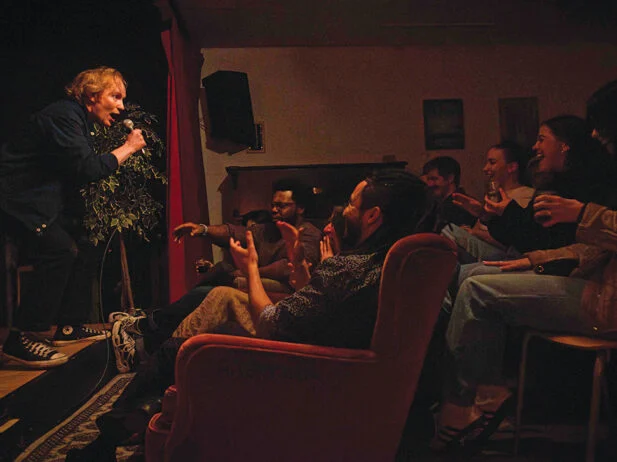
- Canonfire: This improvised musical brings together 10 actors and 2 musicians to craft a 75-minute narrative musical based on a single audience suggestion.
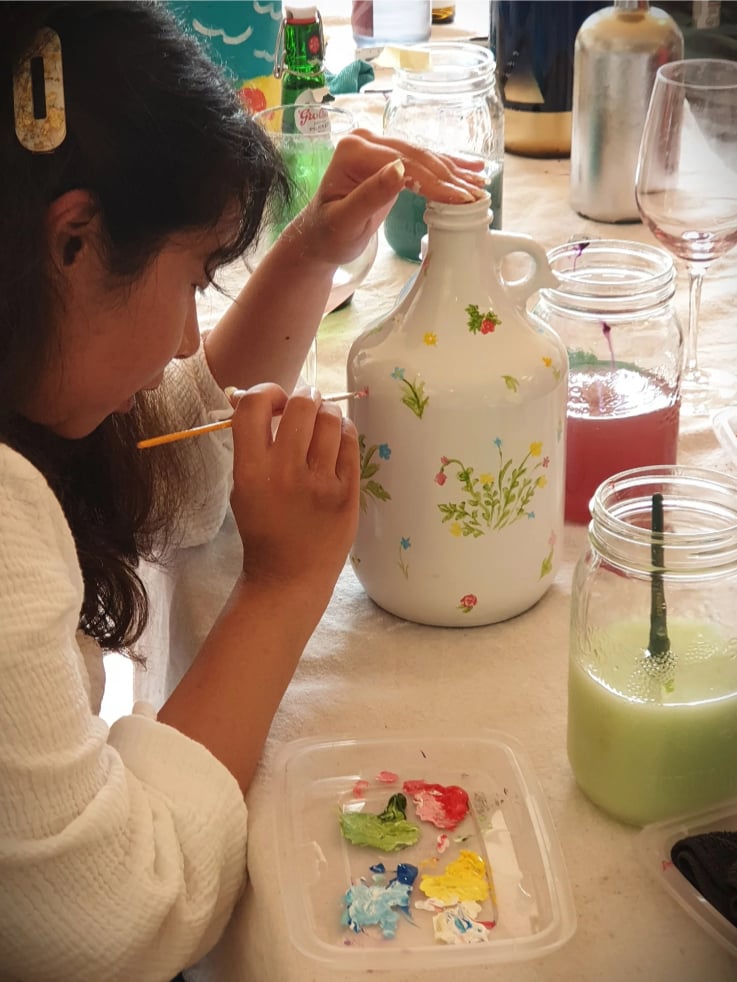
- Sip ‘n’ Paint a Growler: Perfect for friends, a date and anyone wanting to decorate their own very special growler to use for refills, as a vase or decoration.
- Lego Life Tuesdays: They provide the LEGO, you BYOB and build!