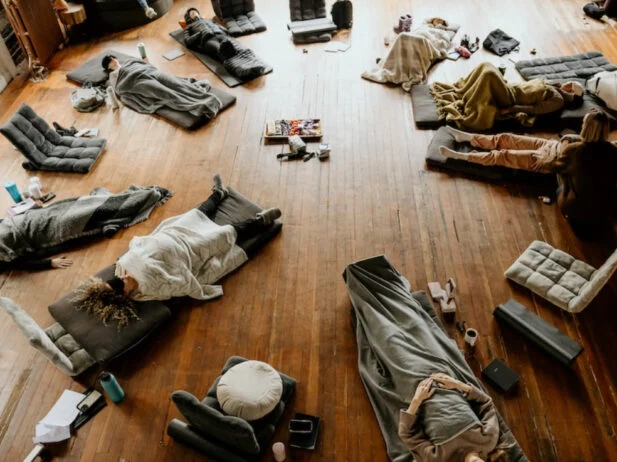

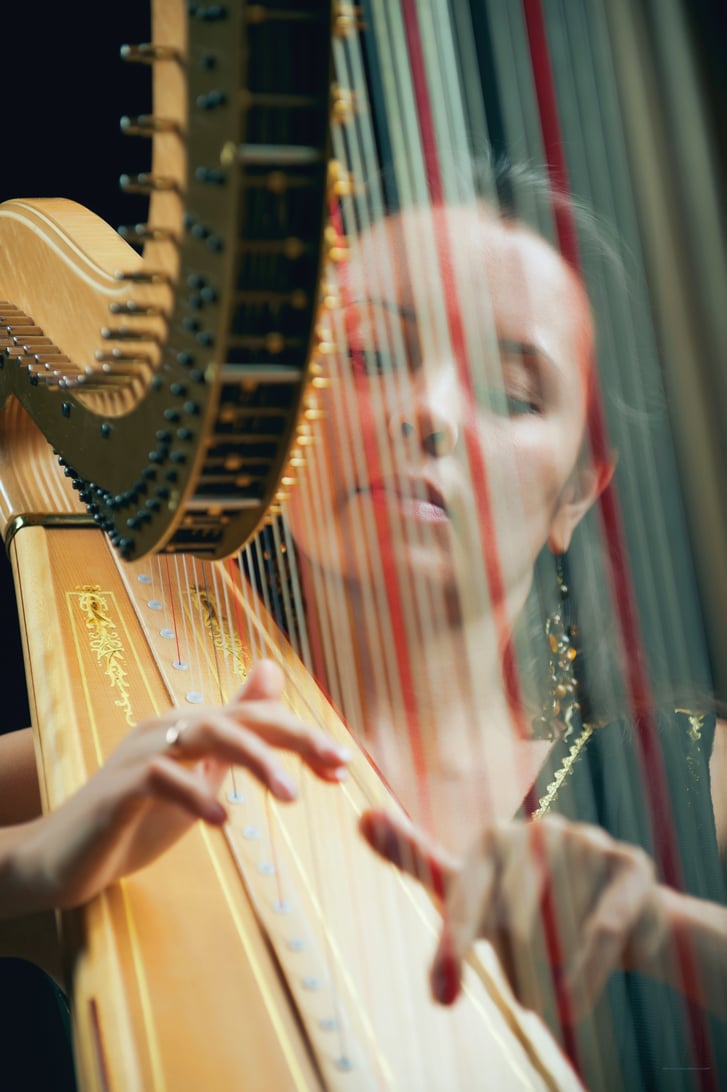
The lights inside studio 114 at the City Centre Artist Lodge are dim, the small space aglow with flickering tea lights and dotted with mismatched furniture. A big thermos by the door is filled with steaming tea, which people pour into a series of handmade ceramic cups. A harpist is tucked cozily in a corner, playing ethereal chords that wash the space in a dream-like atmosphere. A dozen or so people mill about—some familiar with each other, some meeting for the first time.
They’ve all gathered here for a free ceramics workshop put on by A Beautiful Ending (the ABE Project): a Vancouver-based nonprofit organization offering holistic and culturally inclusive end-of-life support, whether it’s for someone living with a terminal illness or grieving a loss.
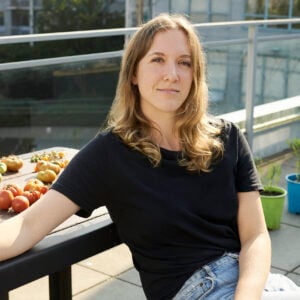
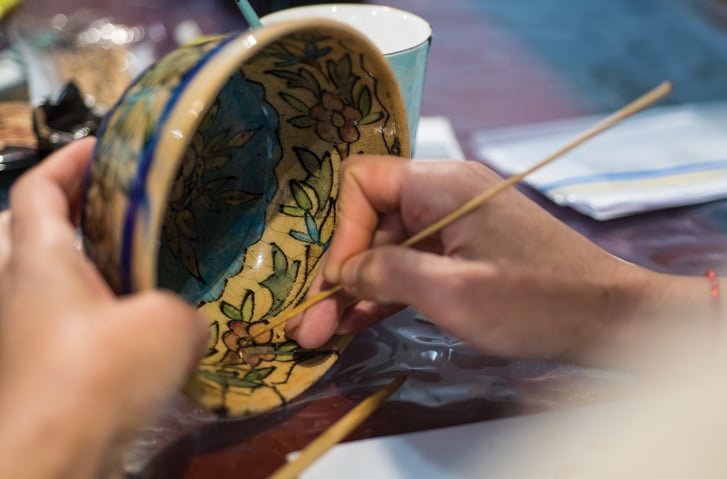
At the ABE Project’s heart is founder Labhrás Quigley, known to most people as Lar: a friendly Irishman with bright eyes and a calming presence. After a few minutes of unstructured socializing, Quigley softly greets the gathered group and explains the run of show for the evening: partici-pants will be led around the corner to one of the Lodge’s other studios, where they will be taught a contemporary version of kintsugi. The Japanese artform involves repairing broken pottery with glue that’s been combined with gold or silver powder, rendering the piece not only mended, but even more beautiful than it was in the first place.
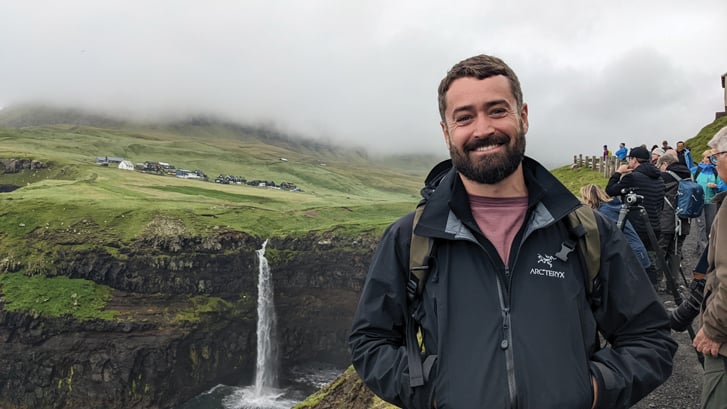
Lar Quigley is the founder of A Beautiful Ending, which offers a variety of death-centred services, including kintsugi workshops designed to spark community conversation around grief in all forms.
It’s certainly a fitting theme for an event about grief: the idea that a person’s brokenness is not an ending, but rather an invitation for transformation. Or, perhaps better: that a person in pieces is not really broken at all.
The first half hour of the workshop is quiet as a local ceramicist leads the group through the initial steps of kintsugi. Before long, though, the participants begin to talk. One person is facing a life-limiting illness. Another works with end-of-life patients at a local hospice. Yet another is raw with the grief of a recent loss. Despite these differences in their relationships with death, what they all share is a common desire to discuss them—to pull back the drapes and to let the light in. This idea is central to Quigley’s mission.
“There’s such a death phobia in our culture,” he says. “Conversations around death and dying aren’t typical, which is strange, given that we’re all guaranteed to die at some point in our lives. You hear conversations about birth and nobody bats an eyelid, but for some reason, we seem to have sanitized all these aspects of death, dying and bereavement.”
Quigley has lived in Vancouver for the better part of 20 years, and spent most of them working in the tech industry. It was during the pandemic lockdowns, with nothing much to do but sit with his thoughts, that he realized he had been suppressing a lot of unprocessed grief since he was a teenager and his brother died. The revelation was profound, and led him on a months-long journey of introspective work.
“Toward the end of that period, I experienced what felt like a download—a clear vision guiding me toward a different path, one rooted in community and end-of-life care,” he recalls. He stepped away from his tech career and spent time travelling around Europe and the States, exploring how other cultures engage with death and dying. “I spent time in places reimagining our relationship with death, from human composting centres to green burial grounds where I helped lay someone to rest,” he says. “I also spent time behind the scenes, learning how both large funeral companies and small family-run homes care for the dead.”
When he was ready to come back to Vancouver, he began working with death- focused organizations here, including the Vancouver Hospice Society and Dying with Dignity, eventually channelling everything he learned into his own venture.
The ABE Project now hosts regular arts and culture events designed to hold space for grief in all its forms and stages. “Death isn’t a problem to solve, or something that we need to get right,” Quigley reflects. “We’ve clinicized it, but it’s not a medical event. It’s a human, cultural, relational process.”
Each ABE event is based on an interactive activity designed to put people at ease. “People start by calming their nervous systems—using their hands as a way to relax the body and mind,” explains Quigley. “From there, they can begin to talk about grief in a community setting, rather than in a therapeutic one, where you’re sitting across from someone in a chair or in a structured group circle.”
READ MORE: These Death Conversation Cards Push Us to Talk About the Inevitable
Bijal Patel knows all too well how powerful creativity can be in the healing process. She moved from London to Vancouver eight years ago, when she was deep in the throes of grief after the sudden death of her husband. Though she was working as a psychologist at the time, Patel had always loved painting and drawing, and began to use those mediums to process this profound loss. Now she’s a full-time artist, running her own artistic practice and hosting workshops out of her Granville Island studio.
“Art helped me live with the living and not with the dead,” she says, standing in the candlelit room at the start of the kintsugi workshop. Patel met Quigley just one week earlier, but their kinship was instant: he started talking with her about his unique approach to death and grief before having any idea that she was a widow. “I got goosebumps,” she recalls. When Patel learned about ABE, she wanted to join the next event. And it couldn’t have come at a better time: just a few days before the anniversary of her husband’s death.
Grief is a painful enough experience without it also being a lonely one. The ABE Project aims to lessen the burden on those grappling with death by showing them that there is a better way: that they can find and lean on community; that what they’re going through is not only normal, but profoundly human; and that it’s not only okay to talk about it—it’s healthy. It might even be necessary.
“The sooner we begin to explore our own impermanence, the more we can start to focus on what it truly means to be alive and to enjoy life fully,” Quigley asserts. “When we live from a place of fear or avoidance of death, we miss something essential about what life can be.”