
Gina’s, a Mexican-inspired and queer-owned restaurant in Chinatown, announced it is for sale—only nine months after opening. Owner Valeria Velazquez broke the news on Instagram, adding that they will now be operating with reduced hours and only open Friday through Sunday. The culprit? The all-too-familiar issue in Vancouver of business licensing—an expensive and slow process.
View this post on Instagram
Gina’s operates under a Food Primary license, which Velazquez says causes financial strain, as it allows them to serve food and alcohol but restricts them from doing most of the fun, community-based events that tend to draw the larger crowds.
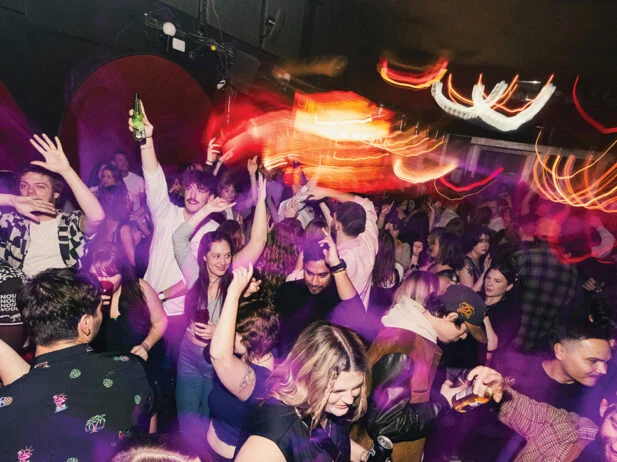
“Because of our licence, we couldn’t do a whole lot,” Velazquez says. “In food-primary establishments, there’s no dancing, no getting up and mingling allowed, trivia is not allowed. Anything interactive—Patron Participation Entertainment it’s called—is not allowed. No workshops and those kinds of things.” Velazquez applied for an endorsement from the City of Vancouver that would allow Gina’s to do these things when they first opened, but nine months later she is still waiting for a response.
With only enough seats for 25, it was difficult for Gina’s to turn a profit. This strain trickled down to the team as the hours Gina’s operated were reduced to cut back on the cost of wages. “I love my team,” Velazquez says, “I wanted them to feel that working at Gina’s was a sustainable place to be. But I had to have hard conversations because we just weren’t making enough money to keep full-time hours for all the staff I had.”
With immigration barriers added to the mix, the pressure on Gina’s only grew. Velazquez moved from Mexico eight years ago and still doesn’t have permanent residency, which blocks her from receiving certain grants and funding. Her current work permit is tied to Gina’s, meaning that when it sells, she will have to return to Mexico, unless she finds sponsorship. And, for Vancouver’s queer community, the loss of a joyful, welcoming space will leave a noticeable gap. The importance of places like Gina’s demonstrates why supporting local, queer-owned spaces remains essential, to ensure they continue to exist.
Still, Velazquez is not letting the story end on a sour note, she hopes that she may be able to open Gina’s again in the future. “Now that I have a better understanding of how things work in the city, what the requirements are, and what people want, I’d be able to get not only a better space, but better infrastructure and set everything up for success,” Velazquez says.
For now, Velazquez is trying to find the positives. “For a long time, I was stressed and trying to make sure it worked out. I started losing the main point: I wanted people to come to Gina’s and have fun. But I focused on that so much that I stopped enjoying it myself.”
She’s choosing to reclaim some joy in the situation: “I’m just rolling with the punches, trying to make the best of the situation and enjoy the time we have at Gina’s.”